The Sahara Desert is one of Morocco’s most spectacular destinations, attracting travellers from the UK and around the world. Before planning your trip, understanding the Sahara Desert weather is essential for choosing the best season, packing correctly, and enjoying the ultimate desert experience.
Whether you’re planning a camel trek, luxury desert camp stay, stargazing adventure, or a multi-day desert tour from Marrakech, this guide covers everything you need to know about weather in the Moroccan Sahara Desert.
The Sahara Desert in Morocco is known for its dry climate, sunny days, and dramatic temperature differences between day and night.
The most popular desert areas include:
Spring is considered one of the best times to visit the Sahara Desert.
Average temperatures:
Benefits:
Summer brings extreme heat to the Sahara.
Average temperatures:
Visitors should:
Autumn offers excellent weather for desert tours.
Average temperatures:
Advantages:
Winter surprises many visitors because desert nights can become very cold.
Average temperatures:
Winter highlights:
| Month | Average Day Temperature |
|---|---|
| January | 20°C |
| February | 22°C |
| March | 25°C |
| April | 28°C |
| May | 32°C |
| June | 38°C |
| July | 43°C |
| August | 45°C |
| September | 37°C |
| October | 30°C |
| November | 25°C |
| December | 21°C |
The best months for visiting the Moroccan Sahara are:
These months offer:
Many travellers book:
during this period.
Merzouga is Morocco’s most famous gateway to the Sahara Desert.
Weather in Merzouga remains sunny for most of the year, making it one of Morocco’s top travel destinations.
Rain is extremely rare in the Sahara Desert.
Annual rainfall averages:
The lack of rainfall contributes to the desert’s unique landscape and golden dunes.
The desert offers magical lighting conditions throughout the year.
These are the most popular times for:
Visitors enjoy:
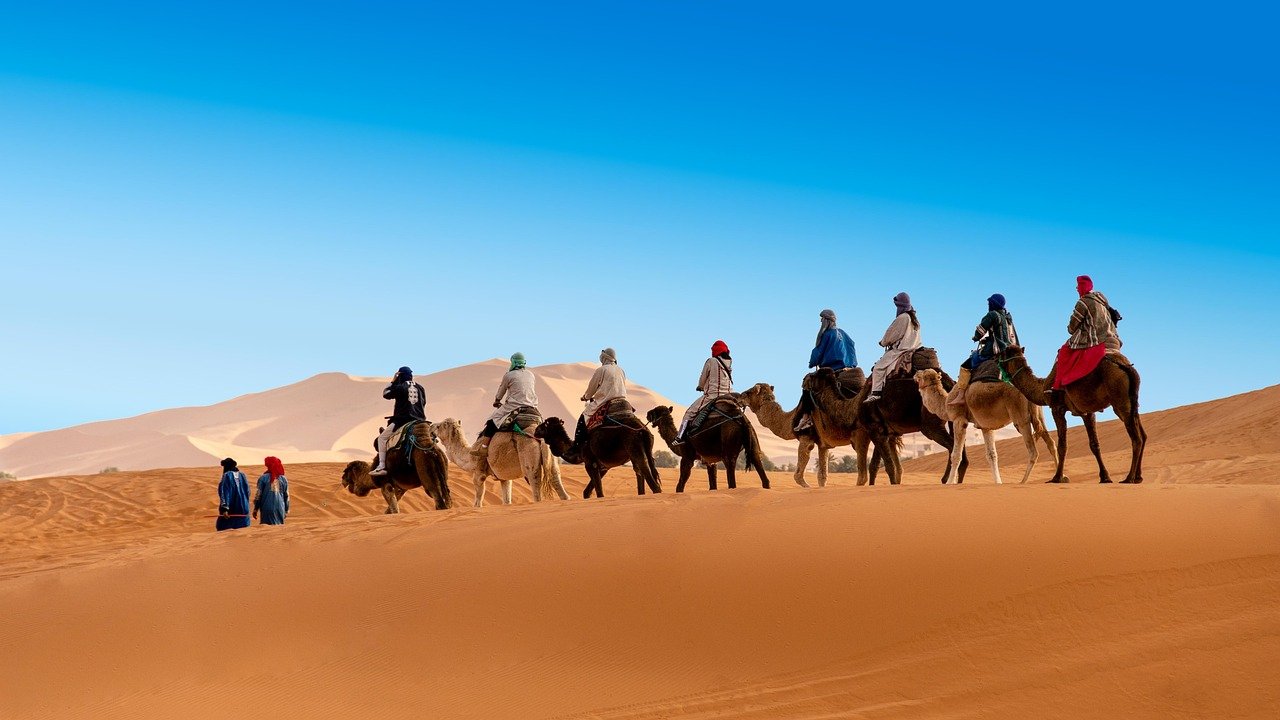
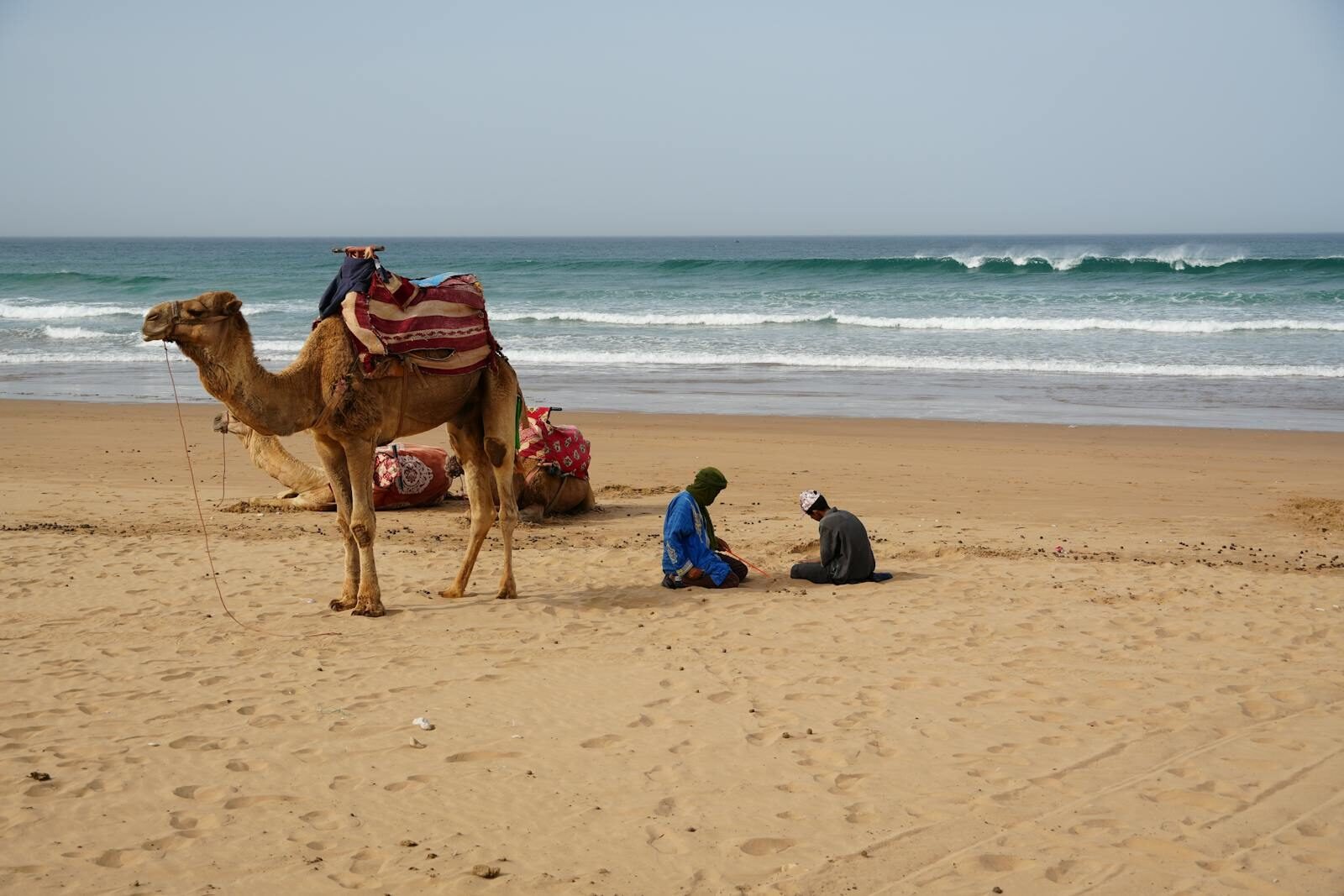
Experience traditional transportation across the dunes.
Sleep under the stars in comfortable desert camps.
Adventure enthusiasts love sliding down giant dunes.
Minimal light pollution creates incredible night skies.
Explore remote desert landscapes and Berber villages.
The Sahara Desert is one of Morocco’s most iconic attractions and offers experiences unavailable anywhere else.
A desert tour can be combined with:
No. While summer days are extremely hot, winter nights can be surprisingly cold.
August is typically the hottest month, with temperatures often exceeding 45°C.
Rainfall is very limited and occurs only occasionally.
October, November, March, April, and May are considered ideal.
Yes. Many desert camps and tours are suitable for families with children.
Most visitors choose 2 to 4 days to fully enjoy the experience